













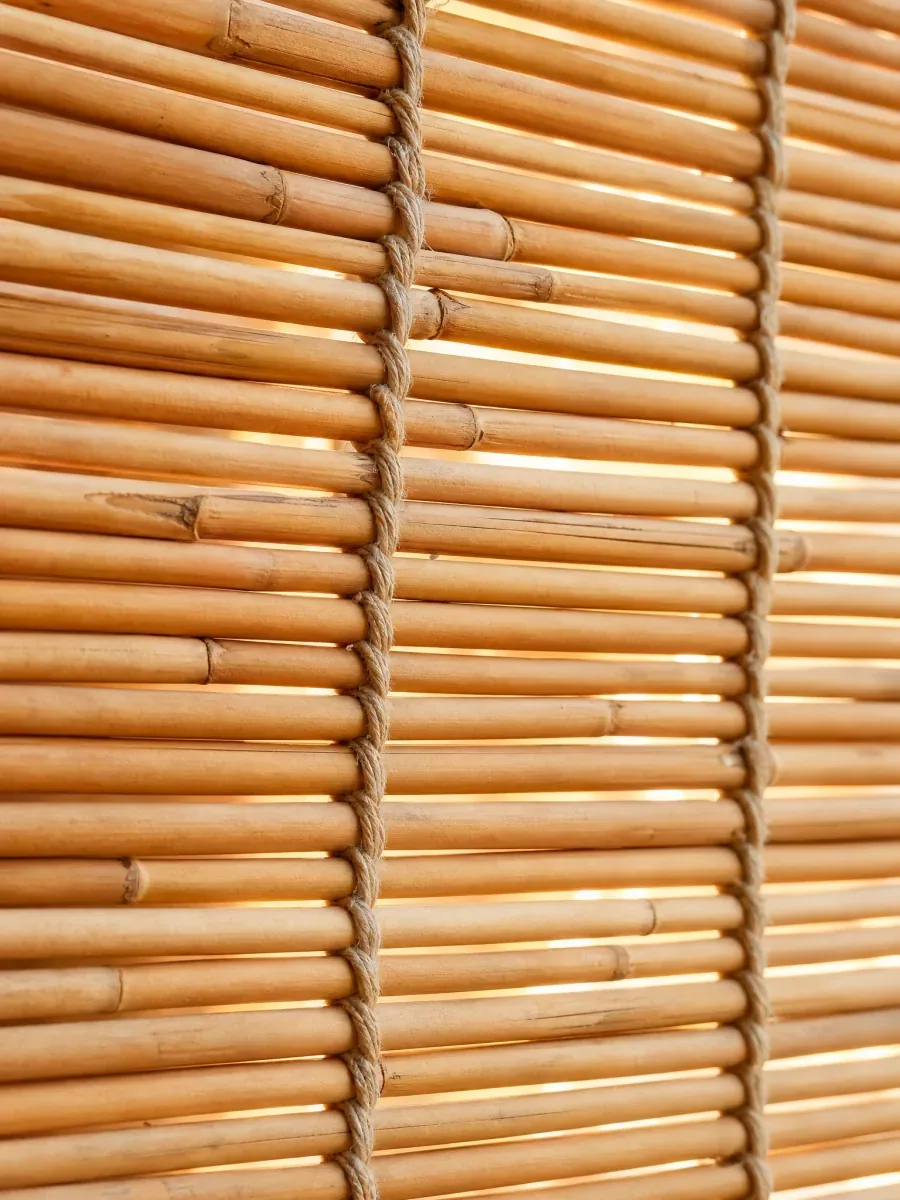












We make blinds for schools in Almaty by measurement: we select the type of product for the purpose of the classroom and the side of the light, calculate the window area according to the price list and install outside working hours. Kazakhstani sanitary rules require only adjustable sun protection for educational premises, so the choice is based on light, maintenance and safety, not on the type of product.
What Kazakhstani sanitary rules actually require
Blinds for schools in Almaty are chosen not by the number of a regulation, but by what the classroom needs. Kazakhstan’s sanitary rules ask one thing of the window openings in classrooms: that the windows have adjustable sun-shading devices. Order No. KR DSM-76 does not specify the type of product, the colour of the slats, or a ban on cords. The Russian SanPiN that most articles in the search results refer to does not apply in Kazakhstan.
What the regulation says
Clause 44 of Order No. KR DSM-76 says it briefly: light openings in classrooms must be fitted with adjustable sun-shading devices. What does that mean in practice? The device has to change the amount of light, not just shut the window tight. Two more clauses sit right next to it that usually go unmentioned. Clause 45 prohibits painting over the glass — light must reach the classroom. Clause 63 requires mosquito nets on opening sashes and transoms. Not one of these clauses contains the word “blinds”.
Why you cannot rely on the Russian SanPiN
Substantive pages in the search results rely on Russian regulations, including outdated editions. The requirements for colour, length and material from there do not apply to an Almaty school — it is someone else's document. If a contractor refers to the Russian SanPiN as a basis, they either have not looked into it or are retelling their own page.
What follows from this for your choice
Since the regulation does not set the type of product, the decision is made on three things: how much light the classroom needs, how the blinds will be maintained, and how safe the controls are for children. Added to this is which way the windows face: on southern and western windows the room heats up more, and there washable slats with a reflective coating are chosen more often. In my opinion, this is exactly the set of questions worth asking a contractor, rather than demanding a reference to a clause of the decree.
Kazakhstani sanitary rules for educational facilities require only adjustable sun-protection devices for the light openings in educational premises and do not name the type of product, the colour, or a ban on cords.
Which blinds suit a classroom, corridor and hall
For standard classroom windows we install horizontal blinds with a 25 mm aluminium slat. They do not eat into the height of the opening and allow precise light control: tilting the slat removes glare from the interactive board and monitors, while light itself continues to enter the classroom. Vertical blinds are used less often on such windows — they are designed for a wide fabric. If the classroom has a projector, the lighting has to be changed smoothly, and here day-night blinds work: a two-layer fabric with alternating sheer and dense stripes.
It is exactly this selection that covers blinds for schools in Almaty — not by the name of the product, but by the task of the classroom.
Classroom and room with a board or projector
Horizontal aluminium blinds suit standard classroom windows, and this is the most common item in a school order. Why? Because the height of the opening in a typical classroom is small, and a 89 mm vertical slat would look bulky on such a window. Aluminium is not afraid of moisture, can be washed right on the window and holds its colour. Tilting the slat removes glare from the board, while the classroom does not turn into a dark room.
Where a projector is installed, a different logic is needed. A sharp “open-closed” reads poorly on the screen, so we offer day-night blinds. The two-layer fabric changes the lighting gradually, and the teacher selects a comfortable level for a specific presentation.
Corridor, canteen and utility rooms
In busy corridors the blinds are touched every day — by hands, bags, accidentally. That is why the slat here must flex and spring back, not crease. Horizontal aluminium blinds on sashes withstand such treatment: our experience shows that over a school year they do not lose their shape.
In a school canteen, a washable surface comes first. Jalusso PVC plastic blinds do not swell from moisture and steam, and they are wiped with a damp cloth right on the window, without taking the blinds down. For utility rooms this is enough.
Assembly hall and gym
The panoramic glazing of the assembly hall is covered with vertical fabric blinds with a 89 mm slat. Turning the slat adjusts the light without full blackout, and the hall stays suitable both for rehearsals and for meetings. The fabric doesn’t fight the room’s acoustics, by the way — this point is underestimated in halls.
In the gym the windows are high, and you can’t reach the top with your hand. Here you either need a short chain, or controls brought down to a convenient height, or an electric motor with a remote control. A ball rarely hits the fabric, but the mounting must withstand the load from vibration and draughts.
Colour and side of the light
Light neutral slats don’t make the classroom gloomy and don’t clash with the furniture. A dark colour on the window on a cloudy day works against the teacher: the room feels smaller, and the contrast with the board drops. For windows on the south and west sides we recommend blinds with a reflective coating — the room heats up less in the warm months. There’s no separate line with such a coating in the price list, so we quote the price at the measurement.
For standard classroom windows, horizontal aluminium blinds with a 25 mm slat are used, while vertical fabric blinds with a 89 mm slat are suitable for the panoramic glazing of the assembly hall and corridors.
How to estimate the budget for a floor or a building
The budget for a floor is calculated by window area: we multiply the metres by the price list line, add coefficients for controls and mounting, and add installation. Installation costs 4,500 ₸ per item, and for orders from 150,000 ₸ installation becomes free — this threshold is what decides what the floor will cost.
Calculation procedure
- We calculate the window area by classroom: opening width times height, for each item separately. This is where the measurement comes in handy — a measurer visiting with samples and calculating the cost on site removes half the questions at once.
- We multiply the area by the price list line: plastic PVC — from 3,600 ₸/m², horizontal aluminium — from 4,200 ₸/m², vertical fabric — from 4,600 ₸/m², metal — from 5,200 ₸/m², day-night — from 7,300 ₸/m², electric motor — from 7,800 ₸/m².
- We add the calculator coefficients for controls and mounting: chain ×1.06, electric motor ×1.85, electric with remote control ×2.1, frame mounting ×1.05, installation without drilling the frame ×1.1, cassette system ×1.28.
- We calculate installation by the number of items: 4,500 ₸ for each.
- We look at the total: if the order amount exceeds 150,000 ₸, installation is free.
The figures for the lines are laid out in the table below, so you don’t have to recalculate each row again.
Price list table
| Position | Price | Lead time |
|---|---|---|
| PVC plastic, slat 25 mm | from 3,600 ₸/m² | 3–5 days |
| Horizontal, aluminium, 25 mm | from 4,200 ₸/m² | 3–5 days |
| Vertical, fabric, slat 89 mm | from 4,600 ₸/m² | 3–5 days |
| Metal, steel, 25 mm | from 5,200 ₸/m² | 5–7 days |
| Day-night, two-layer fabric | from 7,300 ₸/m² | 5–7 days |
| Electric motor, 220 V or battery | from 7,800 ₸/m² | 7–10 days |
One contract for a building or by classroom
The difference isn’t in the price per metre, but in how the total is put together. When the whole floor goes as one delivery, the order reaches the threshold after which installation is free faster, and the batches are manufactured one after another. If you take it by classroom, each contract is counted separately — and it may not reach the threshold, in which case installation has to be paid for line by line.
How many items exactly a floor will cover depends on the layout: somewhere two windows are enough for a classroom, and somewhere there are five. But the rule is the same — the window area across the whole delivery is the value that moves the order towards the 150,000 ₸ threshold. Installation costs 4,500 ₸ per item, and for orders from this amount installation becomes free.
Which controls are safe in a children’s room
Safety in a children’s room is set not by the type of blinds, but by how they are operated. Jalusso starts from a simple rule: the younger the children, the fewer hanging elements there should be within arm’s reach.
Three options and where they fit
A side handle is suitable for younger classes. The fabric is moved with a short movement from the side, no cords or chains hang in the room, and the child can’t reach them. This isn’t a requirement of sanitary rules — the norm only speaks of adjustable sun protection — but our safety solution.
A short chain is needed where the blind is raised higher. The high windows of a gym require the controls to be brought down to a convenient height: you can’t reach the top of the slats with your hand, so the chain is extended to adult level and fixed to the wall or window reveal. Moreover, in a gym where a ball flies around, we mount the blind flush against the opening so that the impact hits the frame, not the brackets.
An electric motor is operated with a remote control or on a schedule. Is it needed in an ordinary classroom? In my view, no: a handle or a short chain is enough there. Electric motors are installed in large classrooms and assembly halls, where dozens of slats close at once at the end of the day — it’s inconvenient for one person to walk around such a hall with a chain.
What happens if a student hangs on the slats or breaks the cord? This isn’t a warranty case. The warranty is 3 years on the mechanism and 1 year on installation from the date the acceptance report is signed, and mechanical damage, reinstallation on your own, water and natural fading of the fabric are not covered. Separately, about the frame: if we mounted without drilling, the warranty on the windows stays intact, and this is the first thing a school checks.
In primary school classrooms, side-handle controls remove hanging cords and chains, while the high windows of a gym can’t do without a chain or a motor.
What counts as a warranty case
Resolving a warranty case takes no more than 5 working days — we don’t charge for the work, and the count starts from your request. If the school price for blinds was calculated with a certain type of controls and mounting, the same order card shows what was included in the installation: we come to tighten the mechanism or replace the cord even after the warranty. But a slat torn off its mounting or a bracket bent after a ball impact is repaired on general terms, because that’s mechanical damage.
How to organise installation without disrupting classes
Installation outside working hours doesn’t interfere with classes in two shifts: Jalusso installs blinds during holidays, at weekends or after lessons. The learning process stays untouched — no classroom is cleared in the middle of the day, and no children are moved to another room because of noise.
Checklist before installation
- Agree the schedule with the administration: holidays, weekends or time after lessons.
- Split the building into batches by classroom so as not to occupy the whole floor at once.
- Check the opening sashes and transoms: they have mosquito nets, and the mounting must not interfere with them.
- Find out whether the glazing has been replaced: on new glass units we install brackets without holes in the frame.
- Determine where the controls need to be brought down to a convenient height.
We finish each classroom in one visit. We come with our own tools and fasteners, and we don’t leave a mess behind.
Ventilation and nets
A mosquito net is fitted on the opening sashes and transoms, and the blinds don’t interfere with it. The fabric is raised, the sash opens for ventilation, and the net stays in place. The classroom is ventilated as usual during the break — nothing prevents it.
Mounting without drilling the frame preserves the warranty on the windows: the brackets slide into the glazing bead or are fitted with spring clamps, and no holes appear in the profile. This is the standard option for schools with new glass units — when checking a warranty case, the window company’s installer sees an intact frame.
If the window opens inward, we choose the mounting so the sash moves freely. Sometimes this changes the bracket offset or the installation point. This is visible right away during the measurement, so the design doesn’t come as a surprise on installation day.
If the windows are replaced or there’s a renovation
The blinds can be taken down and put back up on a new window: installation without drilling into the frame makes this possible. When glass units are replaced or cosmetic repairs are done in a classroom, the product is removed and then put back after the work. Nothing needs to be drilled again.
Almaty suburbs
We travel to the suburbs of Almaty — Kaskelen, Talgar, Issyk and Kapshagay. The cost of the visit depends on the distance; we quote it before the visit so the amount doesn’t grow after the fact. Within the city, measurement and delivery are free.
We schedule installation during school holidays, weekends or after lessons; we finish each classroom in one visit, and mounting without drilling into the frame preserves the warranty on the windows.
Comparison of options by classroom in one table
For each room there’s a working combination of product type and control, and it depends on the window height, the light level and who will be using the blind. We put the options into one table so the administration can see the picture for the whole building.
| Room | Product type | Control | Lead time per price list |
|---|---|---|---|
| Classroom with a blackboard | Horizontal aluminium, 25 mm | Chain or side handle | 3–5 days |
| Classroom with a projector | Day-night, two-layer fabric | Chain | 5–7 days |
| Computer classroom | Horizontal or day-night | Side handle | 3–7 days |
| Corridor | Horizontal on sashes | Chain | 3–5 days |
| Assembly hall | Vertical fabric, 89 mm | Chain or electric motor | 3–5 days |
| Gym | Horizontal, control moved to the side | Chain | 3–5 days |
| Dining room | Plastic PVC, 25 mm | Side handle | 3–5 days |
| Library | Day-night | Chain | 5–7 days |
Horizontal blinds suit standard classroom windows: the blind doesn’t eat into the height of the opening, and tilting the slat removes glare from the blackboard. Vertical blinds are used where windows go all the way to the floor — on the panorama of an assembly hall or a long corridor. In the cafeteria, something else matters more: plastic PVC blinds don’t swell from moisture and can be washed right on the window. Day-night blinds provide smooth light adjustment in a classroom with a projector — the light level changes gradually, not on an open-closed principle.
A separate note about the computer classroom, where monitors stand along the windows. Here the blind works not for the blackboard but for the screens: slanted light hits the monitor and makes it hard to read code and text. We recommend horizontal blinds with a side handle or day-night if the classroom is bright and presentations are held there. We set the top edge of the blind so that the upper part of the window stays open for light, while the eye level of someone sitting at the monitor is covered.
How to read the table
The product type column is a starting point, not a hard rule. During the measurement you can see the window height, the side the light comes from and how the sash opens, and the combination may change. Moreover, four different options can easily coexist in one building: no one is forcing you to take one product for all classrooms.
For each room there’s a working combination of blind type and control, and it’s determined by the window height, the light level and who will be using the blind.
How we handle an order from measurement to acceptance report
The school receives documents as the order progresses: contract, invoice and closing documents after installation. It all starts with a free measurement.
- You message us on WhatsApp, describe the building and the task.
- A Jalusso measurer arrives with samples, looks at the windows in each classroom, and calculates the cost on the spot.
- We agree on the items, the control and the mounting for each room.
- We sign the contract, issue the invoice, then the workshop manufactures the products according to the price list items.
- We install at the agreed time and finish each classroom in one visit.
- We sign the acceptance report and hand over the closing documents. Warranty — 3 years on the mechanism, 1 year on installation.
The measurement takes as long as needed to walk the floor. The measurer doesn’t just copy down dimensions: he looks at how the sash opens, where the interactive whiteboard is, which side the sun comes from. Mounting without drilling into the frame is chosen right there — otherwise the window loses its warranty, which is one of the first things school administrations ask about. In my opinion, a free measurement across classrooms saves more time than any DIY walk around the building with a tape measure.
How to wash blinds and whether you need a service for it
The school can handle it on its own; no separate maintenance service is needed. Maintenance staff wipe aluminium and plastic slats with a damp cloth right on the window: the blind doesn’t need to be taken down. Fabric day-night is cleaned with a vacuum cleaner on low power or a sponge without soaking. Once a year it’s worth cleaning dust from the mechanism — jamming most often happens because of it. After the warranty expires we still come: to tighten the fasteners, adjust, replace the cord or chain.
Measurement and consultation are free; the measurer arrives with samples and calculates the cost on the spot, then comes the contract, invoice and closing documents.
A real-life example: a floor with different classrooms
A floor with classrooms, a room with a projector, a corridor and utility rooms is quoted as one total, but it’s put together from different price list items. We start with the measurement: the measurer walks through the classrooms, measures each opening separately and records the window area. Then the area is multiplied by the price list item, coefficients for control and mounting are added, and only then is installation calculated.
The difference between classrooms is visible already at this step. In classrooms with standard windows, horizontal aluminium slats are used; in the room with a projector — day-night, where light changes smoothly; in utility rooms — PVC. But in the corridor, hundreds of hands touch the blind every day, and there it’s more important that the slat withstands contact and doesn’t crease. If the school has replaced the glazing, we install without drilling into the frame: the bracket goes into the glazing bead, there are no holes in the profile, and the warranty on the window remains.
What the calculation for a floor looks like
- The measurer calculates the window area for each classroom: width of the opening times height, separately for each product.
- The area is multiplied by the price list item: horizontal aluminium — from 4,200 ₸/m², plastic PVC — from 3,600 ₸/m², vertical fabric — from 4,600 ₸/m², day-night — from 7,300 ₸/m².
- The calculator adds coefficients for control and mounting to the total: chain ×1.06, frame-mounted ×1.05, no drilling ×1.1.
- Installation is calculated: 4,500 ₸ per item.
- The total is checked against the threshold: if the order is from 150,000 ₸, installation is free.
Installation costs 4,500 ₸ per item, but an order from 150,000 ₸ makes it free — this threshold decides whether installation goes into the estimate or not.
What changes from classroom to classroom
One contract per floor doesn’t mean one product for all windows. Classrooms get horizontal aluminium blinds, corridors get blinds built for daily handling, and utility rooms get PVC that can be wiped with a damp cloth right on the window. The floor total is made up of the window area at price-list rates plus installation per item, and the 150,000 ₸ threshold decides whether installation is paid for or not.
Caring for school blinds
Blinds on school windows are looked after by the same maintenance staff who wash the windows: no separate service is needed. Aluminium and plastic slats are wiped with a damp cloth and mild detergent right on the window — there’s no need to take the blind down.
What’s important to know for each type of fabric:
- Aluminium and PVC: a damp cloth with mild detergent, the blind stays on the window.
- Fabric day-night: a vacuum cleaner on low power or a sponge without soaking. The dust-repellent treatment keeps dust from soaking into the fabric, so dirt stays on the surface.
- Mechanism: clean off dust once a year. A clogged mechanism is the most common cause of jamming, and it’s cheaper to prevent than to repair.
- South and west: windows on these sides heat up more and collect more dust, so washable slats are chosen there more often.
Almaty dust and the hot sun set their own rules. In classrooms where the windows face south or west, we advise not to skimp on the type of slat: a washable blind is wiped in a minute, while treated fabric needs careful cleaning without water. The measurer looks at the direction each room faces and tells you where this difference in care pays off.
We replace the cord or chain even after the warranty period: we come out, tighten the mechanism, adjust the slats. The warranty is 3 years on the mechanism and 1 year on installation from the date the acceptance report is signed, and mechanical damage, re-installation on your own, water and natural fading of the fabric are not covered — worth remembering when a class decides to “fix” the slats itself.
Caring for school blinds comes down to a damp cloth on aluminium and PVC and dry dusting of fabric, while the direction the windows face determines which fabric is the better choice for specific windows.
Questions asked before ordering
The short answers below don’t replace a measurement. We give the exact amount per classroom and the work schedule after the visit: a measurement includes the measurer coming out with samples and calculating the cost on site.
How do you know the order has passed the free installation threshold? We add up the total for all items: as soon as it passes 150,000 ₸, we don’t charge for installation. Installation at price-list rates costs 4,500 ₸ per item, and on small orders the school sees this as a separate line.
What should you choose for younger classes — a handle or a chain? For primary school we usually go with a side handle: a child can’t reach the hanging parts and won’t pull on them. A chain is needed where the blind is raised higher, and on tall windows you can’t do without it or an electric motor.
Can the blinds be taken down and put back up if the windows are replaced? Mounting without drilling the frame lets you take the product down and put it back on a new window. It’s also handy during cosmetic repairs in a classroom.
Do you work outside the city? We travel to Kaskelen, Talgar, Issyk and Kapshagay. The call-out cost depends on the distance, and we tell you before the visit; within the city, measurement and delivery are free.
What should you do about south-facing windows? The sun heats the room more there. A reflective coating helps, but it isn’t a separate item in the price list, so we discuss the solution and the price at the measurement.
If a student hangs on the slats or tears the cord, is that a warranty case? No: mechanical damage, re-installation on your own, water and natural fading of the fabric are not covered by the warranty. The mechanism has a 3-year warranty, installation has a 1-year warranty, counted from the date the acceptance report is signed; if the case is recognised as a warranty one, we do the work free of charge within 5 working days.
And the main thing: the price of school blinds in Almaty is calculated by window area, so it can’t be given over the phone in advance.
Conclusion
Kazakhstan’s sanitary rules require just one thing of classrooms: light openings must have adjustable sun-protection devices. The rules don’t set the type of product, the colour of the slat or a ban on cords — which means you can choose by light, care and safety, rather than fitting the classroom to someone else’s document.
We select the type of blinds by the purpose of the classroom and the direction the windows face. Standard classroom windows get horizontal aluminium blinds with a 25 mm slat. The assembly hall’s panoramic glazing gets vertical fabric blinds with a 89 mm slat. A classroom with a projector needs smooth adjustment, and for that there are day-night blinds with a two-layer fabric.
Then comes the arithmetic. The floor total is made up of the window area at price-list rates plus installation — 4,500 ₸ per item. The 150,000 ₸ threshold makes installation free. An order for the whole floor under one contract usually passes it faster than one split by classroom.
Controls are also chosen to suit the room: a side handle in younger classes, a short chain on tall windows, an electric motor for large halls. What’s more, installation outside working hours and mounting without drilling the frame don’t disrupt lessons and preserve the warranty on the windows.
There’s one practical recommendation. Start with a free measurement by classroom: the measurer comes with samples, calculates the cost on site, and you can immediately see whether the order reaches the threshold after which installation is free.

